Lisa’s mother died at 68 years young in 2012 from dementia. June is Alzheimer’s and Brain Awareness Month. This inspired her to write this blog about dementia prevention.
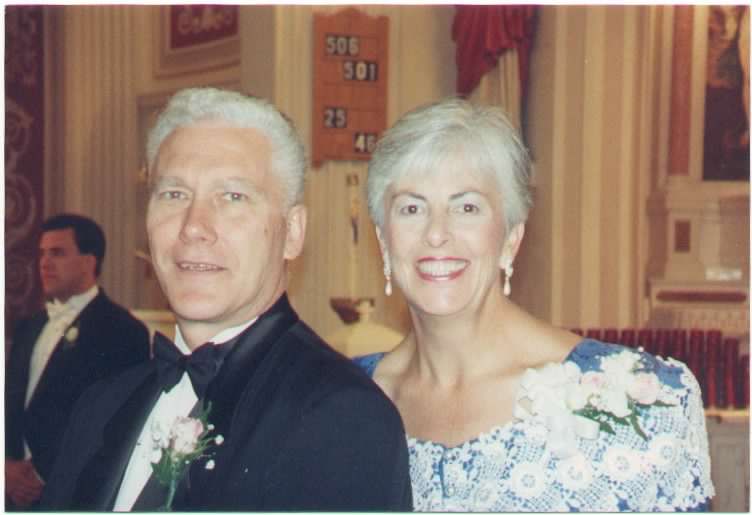
Lisa’s mom was six feet tall, beautiful, funny, smart, and kind. She was the person who could make us giggle with her one liners and quick denture tricks. She was never without a camera and never took medications. She was active and loved to travel. She wrote the most beautiful notes which always came unexpectedly. She knew how to knit, play mahjong and her fingernails were always perfectly manicured. She learned to read, write and speak Mandarin in her 50s while she and my dad lived in Taiwan, also helping young children to read, write and speak English. She had the most beautiful Catholic handwriting and loved to volunteer. She had a ‘wicked bahwstin’ accent (never “pawcked her cah in the Hahvahd Yahd” but did often lose her “cahh keys” and loved a sip of “whadah from the bubblah”) and she loved the beach, clouds, and sunsets.
Watching dementia take my mother was one of the most painful experiences of my life. There is a unique grief that comes with dementia because you lose someone in pieces and grieving the living is so conflicting. You watch memories and expressions fade. Conversations change or become one sided. You watch parts of the person you love slowly disappear long before they are physically gone. You miss them when they’re right in front of you. You ache for them to take care of you again, versus taking care of them. Of sharing your life and achievements or asking for advice, versus feeding, changing, comforting and reminding them to brush their teeth.
Early Dementia Symptoms That Should Never Be Ignored:
Dementia is a complicated disease influenced by genetics, environment, lifestyle, and factors we still don’t fully understand. What I do know is that we have learned a tremendous amount about brain health over the last twenty years. One of the biggest lessons is that the brain does not exist in isolation. The health of our brain is deeply connected to the health of our muscles, our metabolism, our sleep, our hormones, our cardiovascular system, and our relationships. And the more I learn, the more I feel compelled to incorporate into my work for my patients, family and myself.
Many people assume dementia begins with severe memory loss. Often it starts much earlier. Word-finding difficulties, increased brain fog, trouble concentrating, forgetting appointments, changes in mood, getting lost in familiar places, difficulty learning new tasks, and increasing reliance on notes or reminders can all be signs that deserve attention. While these symptoms do not automatically mean dementia, they should never be ignored. As a nurse practitioner, I often find myself wondering what I would do differently if I could go back in time. Would it have changed her outcome? I don’t know. Never will. But I am passionate about dementia prevention.
Maybe you are worried about dementia. Perhaps you have experienced, or are currently experiencing, the same grief and pain my family has. Maybe you have a friend or loved one walking this difficult road. If so, I wrote this for you. And I ask that you share it to help educate, empower, and enlighten others about the many ways we can support brain health long before symptoms begin.
Muscle Mass May Be One of the Most Powerful Tools for Dementia Prevention:
Like so many women of her generation my mother was always focused on being thinner. If she worked out, it was aerobics or walking. Back then, nobody was talking about preserving muscle, supporting metabolism, protecting hormones, or preventing cognitive decline.
Most people don’t realize how much muscle is lost after 30 years old. In our 30s and 40s, Muscle strength remains relatively stable, but adults typically experience a 3% to 8% loss of muscle mass per decade (sarcopenia), leading to less cellular storage space for creatine. In our 50s, muscle mass loss accelerates (roughly 1-2% per year) and after 60 years old that jumps to 3-5% per year. So, if we’re not working to build muscle, we lose it.
Research continues to show that maintaining muscle mass, especially as we age, may be one of the most important things we can do for our long-term health and cognitive function. Strong legs and strong glutes are more than mobility, they are a major indicator for long-term brain health. Some studies have even found that lower muscle mass is associated with a greater risk of cognitive decline and dementia and vice versa.
Muscle helps regulate blood sugar, reduce insulin resistance, decrease inflammation, support mobility, prevent falls, protect bone density, and produce signaling molecules that communicate directly with the brain. In many ways, muscle functions like a second pancreas, helping dispose of glucose, stabilize blood sugar, and protect the body from the metabolic dysfunction that increases the risk of diabetes, cardiovascular disease, and dementia (see below for more on the glucose/insulin piece). This is one of the main reasons, we don’t focus on BMI (height and weight only) in our practice, we focus on skeletal and muscle mass as well as visceral fat and overall body composition using our Inbody scan.
Menopause, Estrogen, and Dementia Risk: What Women Need to Know:
Women account for nearly two thirds of Alzheimer’s cases, and the risk begins to accelerate during the menopausal transition. One of the biggest misconceptions about menopause is that it is simply the end of fertility or a time when people get hot flashes and yet, the truth is that menopause is one of the most significant neurological transitions a woman will experience in her lifetime. Women deserve to know that protecting their brains is just as important as reducing hot flashes, helping mood, and protecting their bones and hearts. My mother went through her menopause transition during the WHI release leading to most women stopping their HRT (or never being offered it). When I think about my mother and the women of her generation, I often wonder how different the conversation might have been if we understood then what we know now. If she had been offered and taken HRT?
Research reveals that women who start hormone replacement therapy within five years of menopause lower their risk of developing Alzheimer disease by 20% to 32%. Estrogen helps the brain produce and utilize energy. It supports blood flow to the brain. It helps maintain healthy connections between neurons. It influences neurotransmitters involved in mood, motivation, memory, and cognition. It supports healthy sleep architecture, reduces neuroinflammation, helps regulate glucose metabolism within the brain, and may even play a role in reducing the accumulation of some of the proteins associated with Alzheimer’s disease. In fact, some researchers have described Alzheimer’s disease in women as being linked, in part, to the loss of estrogen’s protective effects on the brain.
Many women notice subtle brain changes before they ever experience a hot flash. Often as early as 40 years old. They walk into a room and forget why. They struggle to find words. They lose their train of thought mid-sentence. Their focus changes. Their memory feels different. They no longer feel mentally sharp, despite doing everything they have always done.
This is one of the reasons so many leading menopause researchers now refer to menopause as a neurological event, not simply a reproductive one ‘to get through’. While hormone replacement therapy is not appropriate for every woman, the conversation surrounding HRT has changed dramatically over the last two decades. We now understand that timing matters. For many healthy women who begin treatment during the appropriate window around menopause, hormone therapy may offer benefits that extend beyond symptom relief. In addition to improving hot flashes, sleep, mood, and quality of life, there is growing evidence that appropriately prescribed hormone therapy may help support brain energy metabolism, preserve cognitive function, reduce neuroinflammation, maintain vascular health, and potentially lower the risk of dementia when initiated during the early menopausal years.
Protein and Creatine: Two of the Most Important Nutrients for Brain Health:
Protein and creatine aren’t sports or gym bro hacking. They are longevity nutrition. And for many people, they are two of the simplest, safest, and most impactful places to start when investing in long term cognitive health.
Protein is an area where our understanding has changed dramatically. Like my mother who did all the diets from Weight watchers, to Nutrisystem, Jenny Craig and Slimfast, for decades, especially for women, the focus was on eating less rather than eating well. Being skinny over strong. She skipped meals, counted calories instead of nutrients. She ate fat free foods and LOTS of aspartame foods to replace sugar in drinks or desserts (which research has shown increases the risk of stroke and dementia). There was zero discussion around getting enough of the nutrients needed to preserve muscle, metabolism, hormones, and brain health.
Today we know better. We know now that protein provides the amino acids that become neurotransmitters such as dopamine, serotonin, norepinephrine, and GABA. These chemical messengers influence mood, focus, motivation, learning, memory, and cognitive function. Protein is also one of the most important tools we have for preserving muscle mass as we age. As stated above, muscle acts as a metabolic organ. When we lose muscle, we also lose creatine stores (see below).
Most adults, particularly women, consume far less protein than they need. While individual needs vary, many experts now recommend approximately 1.0 to 1.2 grams of protein per kilogram of ideal body weight for healthy adults, and often 1.2 to 1.6 grams per kilogram or more for active adults and older adults trying to maintain muscle mass. For many women, that means aiming at 100grams minimally up 150 grams of protein daily rather than the 40 to 60 grams they have consumed for years. We encourage patients to spread protein throughout the day rather than eating most of it at dinner. A goal of 25 to 40 grams per meal can help stimulate muscle protein synthesis and provide a steady supply of amino acids for the brain and body.
Creatine is one of the most misunderstood supplements in health and aging. Many people still think of it as something reserved for bodybuilders, college athletes, or people trying to build bigger muscles. In reality, creatine may be one of the most important and well researched supplements for healthy aging to include brain aging. It is naturally found in foods like red meat and seafood, but most people do not consume enough to fully saturate their muscles and brain. What fascinates me about creatine is that it is not just a muscle supplement. It is an energy supplement. Every cell in the body requires energy, but few organs are as energy hungry as the brain. Although the brain accounts for only about 2 percent of body weight, it uses approximately 20 percent of the body’s energy. Creatine helps generate and recycle ATP, the primary energy currency of every cell.
Unfortunately, in our 50s, Muscle mass loss accelerates to roughly 0.8% per year, and intramuscular creatine stores can begin to drop, particularly in fast-twitch (Type II) fibers. Over 60 years old, the availability of internal creatine precursors hits its lowest point, and the body’s rate of regenerating phosphocreatine after exertion falls by about 8% every 10 years. And as I mentioned above, the loss of muscle mass increases the loss of creatine production.
For years, the standard creatine recommendation has been 3 to 5 grams daily, largely based on research focused on muscle performance and maintaining saturated creatine stores in muscle tissue. More recently, scientists studying brain health and cognition have begun questioning whether those recommendations are sufficient for optimal brain function. Research scientist Louisa Nicola who studies creatine and brain health, has discussed evidence suggesting that the brain may require substantially more creatine during periods of increased demand, including sleep deprivation (see below), psychological stress, cognitive overload, aging, and recovery from illness. She has proposed that many adults may benefit from closer to 10-20 grams daily, particularly when the goal is supporting the brain. We recommend the Creatine Monohydrate brand which can be found in our Fullscript store.
Why Sleep May Be the Most Underrated Tool for Dementia Prevention:
Sleep is another area that deserves far more respect than it gets. Many people wear poor sleep as a badge of honor. We celebrate getting by on five hours of sleep and powered through exhaustion with caffeine. Today we understand that sleep is when the brain performs some of its most important maintenance work. During deep sleep, the brain clears waste products and proteins that may contribute to Alzheimer’s disease. Untreated sleep apnea, fragmented sleep, and chronic sleep deprivation have all been associated with a higher risk of cognitive decline.
Sleep deprivation places enormous metabolic stress on the brain. Individuals with sleep problems are more likely to develop Alzheimer’s disease than those without. The risk of general cognitive impairment is 1.65 times higher for those experiencing sleep issues and the preclinical Alzheimer’s disease jumps significantly with a 3.78 times higher likelihood. Even one night of poor sleep can impair attention, memory, reaction time, mood, and decision making. Emerging research suggests that creatine may help support brain energy metabolism during periods of sleep loss and cognitive stress, potentially helping the brain maintain function when energy demands exceed supply.
Untreated sleep apnea is an added burden to our aging brains, and sadly often dismissed by patients and practitioners. Each breathing interruption during sleep apnea causes drops in oxygen levels in the brain, triggering stress responses that raise blood pressure and heart rate and over time, this accumulated stress damages blood vessels and brain tissue involved in memory and cognition. Research involving more than 3,000 participants found that sleep apnea is associated with structural brain changes, including a reduced hippocampus (the brain’s memory hub) and damage to small blood vessels both of which increase the risk of dementia and Alzheimer’s disease. Even people with mild sleep apnea scores experience significant oxygen drops during REM sleep linked to brain changes, particularly in the entorhinal cortex one of the first regions affected by Alzheimer’s pathology. On the dementia risk side, a Michigan Medicine study of more than 18,500 adults found that having known or suspected sleep apnea in adults 50 and older was associated with a significantly higher likelihood of having signs of or a diagnosis of dementia with women at disproportionately higher risk at every age level. Untreated sleep apnea has also been linked to abnormal levels of Alzheimer’s biomarkers, including amyloid-beta and tau proteins, which accumulate as the plaques and tangles characteristic of Alzheimer’s disease.
Why Alzheimer’s Disease Is Often Called Type 3 Diabetes:
Did you know, Alzheimer’s disease and dementia are now coined “type 3 diabetes” because of the strong connection between insulin resistance and cognitive decline? In fact, studies reveal that a 1-unit increase in hemoglobin A1c (lets say from 5.0 to 6.0) corresponds to measurable memory loss over a decade, even in individuals without diagnosed diabetes.
Elevated insulin levels, unstable blood sugar, and metabolic dysfunction appear to play a significant role in the development of dementia. Even “prediabetes” is or ‘slightly high’ glucose can add inflammation and burden on the brain. The brain actually becomes insulin resistant. When the brain becomes resistant to insulin, it cannot efficiently use glucose for energy, leading to cell dysfunction and death. Insulin-degrading enzymes are responsible for breaking down both excess insulin and amyloid proteins. When flooded with high levels of insulin, these enzymes become too preoccupied to clear out amyloid plaques, accelerating dementia’s pathology. Insulin resistance and hyperinsulinemia (excess insulin in the blood) increase the activity of specific enzymes that alter tau proteins, leading to neurofibrillary tangles. (*quick caveat here; traditional medicine does not routinely check insulin levels. They may look at A1c or glucose, but not insulin. But you can ask for it. Push for your provider to add a fasting insulin. Optimal level is less than 6).
Chronically high blood sugar damages tiny blood vessels and limits blood flow in the brain, starving neurons of oxygen and nutrients. Research out of the UK indicated that people with prediabetes are roughly (42%) more likely to experience cognitive decline and (54%) more likely to develop vascular dementia. Unregulated blood sugar also causes oxidative stress; systemic and brain-specific inflammation, further accelerating brain breakdown. Supporting metabolic health through nutrition, movement, sleep, and muscle mass may be one of the most powerful tools we have.
Gut Health, Celiac Disease, and the Surprising Link to Dementia:
When I think about my mother’s story, I cannot help but wonder whether what was labeled as “IBS” and “bad teeth” decades ago were actually clues pointing toward a much larger picture. And sadly, was never tested for Celiac, until my sister and I were diagnosed (she also tested positive for Celiac, but diagnosis wasn’t until a few years before she started showing signs of dementia).
This is also one of the reasons I became so passionate about functional medicine. One of the core principles of functional medicine is understanding that symptoms and systems are connected. The body does not operate in isolated compartments. My mother had a full set of dentures before 30 years old. Oral health influences cardiovascular health, metabolic health, and potentially cognitive health. Years of nutrient malabsorption, chronic inflammation, and changes in the gut and oral microbiome. The gut affects the immune system. The immune system affects inflammation. Inflammation affects the brain. Most people with celiac (and many without celiac) struggle with optimal nutrient balance. Chronic deficiencies in Vitamin D, B vitamins (B12, Folate/B9, and B6), and Omega-3 fatty acids are strongly linked to cognitive decline and a higher risk of dementia. While not always direct causes of dementia, these nutrient gaps accelerate brain aging, promote inflammation, and worsen neurological damage. Nutrient deficiencies affect every cell in the body and yet are rarely highlighted or prioritized in traditional lab testing (and if they are, may be in the in the ‘normal reference range’ but not ‘optimal’).
Hearing Loss and Dementia: One of the Most Overlooked Risk Factors:
One of the most overlooked risk factors for dementia is hearing loss. When people cannot hear well, they often begin withdrawing from conversations and social situations. Over time, that isolation can affect brain function. Research now identifies untreated hearing loss is an early sign for and increases the risk of dementia, which means something as simple as getting a hearing evaluation could have a meaningful impact on long term brain health. Get the hearing checked. Wear the hearing aids.
Why Loneliness and Social Isolation Increase Dementia Risk:
As above, research reveals isolation and the incident of dementia is comparable with other well-established risk factors. Perhaps the most important lesson of all is that the brain thrives on connection. It thrives on purpose, creativity, curiosity, and relationships. The people who seem to age best are often those who continue to engage with life. They have hobbies. They volunteer. They laugh. They learn new things. They spend time with people they care about. Social isolation has consistently been associated with worse cognitive outcomes, while meaningful relationships appear to be profoundly protective.
Can Writing by Hand Help Protect Your Brain?
Research reveals Handwriting activates different areas of the brain than typing and appears to improve memory, and cognitive capabilities. In a world where everything is digital, there may be something powerful about putting pen to paper. Write. Use a pen. Keep a journal. Write thank you notes. Make lists. Write a blog or book. Reflect on your day. Get out the anger or write out gratitude.
What Functional Medicine Taught Me About My Mother’s Dementia:
Functional medicine teaches us to ask different questions. We ask more questions, we dive deeper. Instead of viewing the gut, brain, hormones, immune system, metabolism, and oral health as separate conversations, we recognize that they are constantly communicating with one another. That perspective has changed how I practice medicine, but more importantly, it has changed how I think about my mother’s story. Her journey reminds me every day that symptoms matter. Seemingly unrelated health issues may be connected. The body often whispers long before it screams. The more we listen, the more opportunities we have to support health before disease takes hold.
None of us can guarantee what the future holds, but there is tremendous power in education and empowerment to take care of the brain we have today. For me, that may be one of the greatest gifts my mother continues to give me. When I think about my mother, I wish she had known some of these things. But I also know that wishing does not change the past. I hope to change the future. Every day I sit with patients who are worried about dementia because they watched a parent, sibling, grandparent, or spouse go through it. I understand that fear because I carry some of it myself. The good news is that there is hope in what we know today for dementia prevention.
Walk often. Lift weights consistently. Protect your sleep. Eat enough protein. Support your hormones when appropriate. Monitor your blood sugar. Stay connected to people you love. Keep learning. Keep writing. Keep moving. Get a comprehensive lab panel. And share this blog.